June 21, 2026 • Kevin Brooks • 9 min reading time • Prices verified June 25, 2026
Orthopedic House Slippers for Plantar Fasciitis: Why Your First Steps Indoors Matter Most
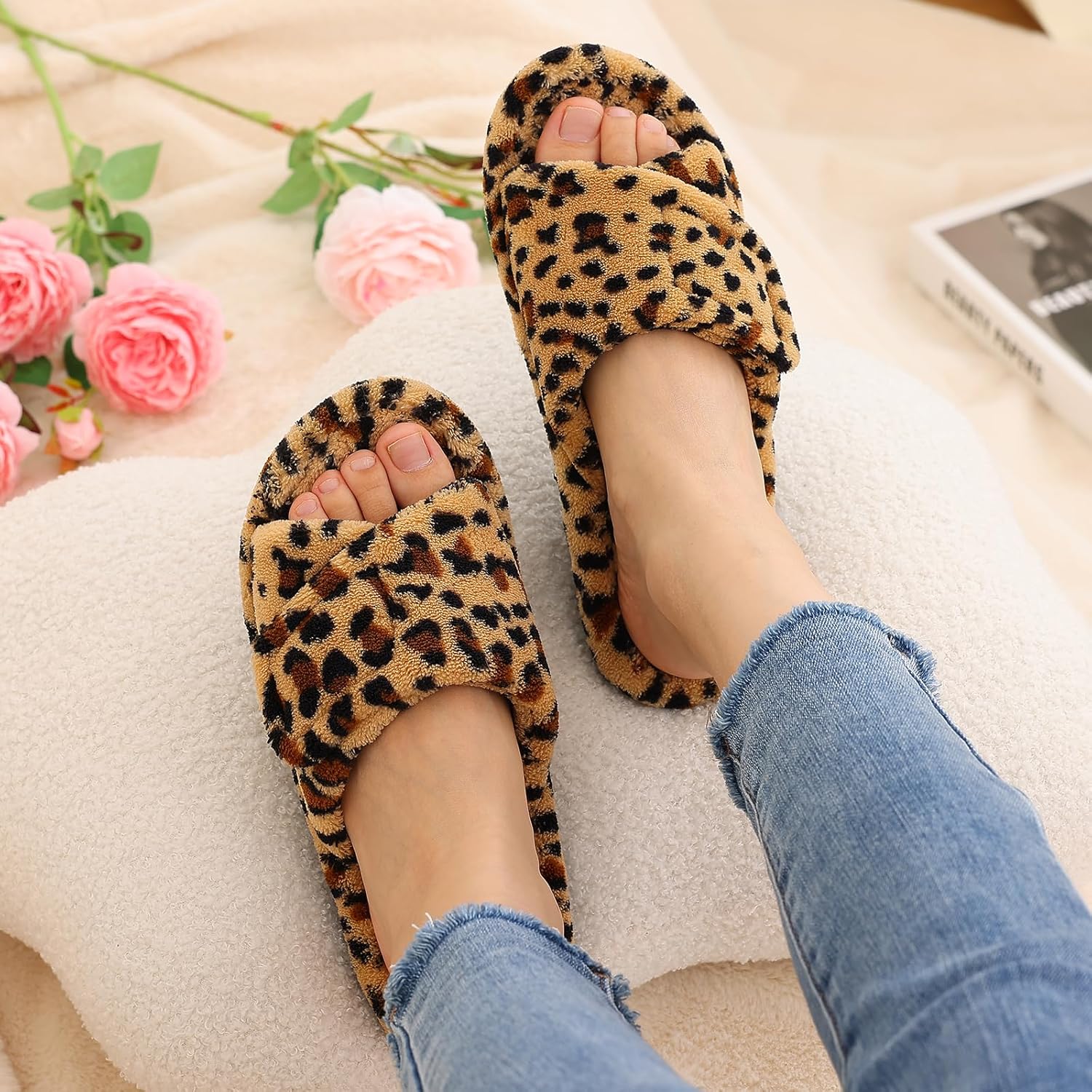
If you’ve ever swung your legs out of bed in the morning and felt that sharp, knife-like stab in the bottom of your heel the moment your foot hit the floor — you already know plantar fasciitis. The plantar fascia is a thick band of tissue that runs along the bottom of your foot, connecting your heel bone to your toes. When it gets irritated and inflamed (which is what “fasciitis” means), that first weight-bearing step after rest becomes genuinely brutal. It’s not a minor nuisance; according to the American Podiatric Medical Association’s heel pain patient education page, plantar fasciitis is the most common cause of heel pain, affecting roughly two million Americans annually. What most people don’t realize — even those who’ve already bought supportive running shoes or custom orthotics — is that the floor-to-foot contact you make inside your own home can set the tone for every step the rest of the day.
This guide is for readers who are already past the “what is this pain?” stage. You know the diagnosis. You’ve probably tried a few things. Now you’re making a deliberate gear decision about indoor footwear, and you want to understand the tradeoffs before spending $60 to $200 on something that lives by your bedside.
| EDITOR'S PICK[Litfun Orthopedic Slippers for…](https://www.amazon.com/dp/B0F1MKVGD2?tag=greenflower20-20) | Mid-tier[Litfun Orthopedic Arch Support…](https://www.amazon.com/dp/B0FW3NZWV3?tag=greenflower20-20) | Budget pick[shevalues Orthopedic Sandals fo…](https://www.amazon.com/dp/B0BRX58B8J?tag=greenflower20-20) | |
|---|---|---|---|
| Adjustable Fit | ✓ | ✗ | — |
| Material | Corduroy | Corduroy | — |
| Closure Style | Adjustable | Cross Bow | — |
| Toe Style | Open Toe | Open Toe | — |
| Price | $21.84 | $17.09 | $15.37 |
| See on Amazon → | See on Amazon → | See on Amazon → |
Why Indoor Steps Are the Highest-Risk Moment of Your Day
Here’s the biomechanics in plain language: when you’re asleep or resting, your plantar fascia shortens slightly as your foot relaxes. The moment you stand and bear weight, that band gets yanked back to full length under load. Mayo Clinic’s plantar fasciitis overview describes this as the primary mechanism behind “first-step pain” — the technical term is post-static dyskinesia, but you can just call it “morning heel ambush.”
Most people treat this as a shoe problem and buy better running shoes. That’s a good move. But here’s the gap: if you wake up, stumble to the bathroom in bare feet or thin cotton socks, pad to the kitchen for breakfast, and then put on your supportive shoes — you’ve already loaded that fascia cold, multiple times, before the footwear protection kicked in. Podiatry Today’s evidence review on plantar fasciitis treatment consistently flags inadequate arch support during home ambulation as an under-addressed perpetuating factor.
The fix isn’t complicated. You need a slipper with:
- Arch support — a contoured footbed that holds your arch in a slightly lifted position, reducing the stretch on the fascia under load
- Heel cushioning — enough foam or EVA (ethylene-vinyl acetate, the same shock-absorbing foam in most running shoes) to blunt ground-reaction force at heel strike
- A slight heel rise — sometimes called “heel drop,” this means the heel sits a bit higher than the forefoot. Even 4–8mm of heel elevation reduces tension on the fascia and Achilles tendon simultaneously
- A firm, non-collapsing midsole — the squishy, flat slippers that feel luxurious in the store are often the worst offenders; Healthline’s plantar fasciitis treatment guide specifically warns against footwear with no arch support or a completely flat sole
What you don’t need indoors: maximum cushion stack height, aggressive carbon-fiber plates, or trail-grade outsoles. You’re walking 20 feet to the kitchen, not logging miles. The priority is controlled, supported motion from a cold start.
The Key Specs — Translated Into Decisions
Heel Drop: 4mm–10mm Is Your Sweet Spot
Heel drop is just the height difference between your heel and the ball of your foot inside the shoe. Zero-drop footwear (flat, like many minimalist styles) is often presented as “natural,” but Verywell Health’s footwear guide for plantar fasciitis notes that zero-drop puts the Achilles tendon and plantar fascia under maximum stretch — exactly the wrong condition for a cold first step. For plantar fasciitis specifically, a moderate heel drop of 4mm to 10mm offloads the fascia without the ankle-tightening effect of very high-drop shoes.
Most orthopedic slipper brands don’t publish heel drop numbers the way running brands do. As a proxy, look for slippers with visibly contoured footbeds and a modest heel cup. A flat, uniform sole is a red flag.
Footbed Type: Removable vs. Fixed
Removable footbeds let you swap in your own custom orthotics — the insoles a podiatrist has made specifically for your foot mechanics. If you’ve invested in custom orthotics (typically $300–$600 through a podiatrist, per standard insurance-adjacent pricing as of mid-2026), you want a slipper with a deep enough volume to accommodate them. Look for “extra-depth” construction in product descriptions.
Fixed footbeds with built-in arch support are fine if your plantar fasciitis is mild-to-moderate and you’re managing with OTC insoles or no insoles. They’re also simpler: one piece, no parts to lose.
Decision rule: If you own custom orthotics, prioritize removable footbeds and extra-depth volume. If you don’t, a well-contoured fixed footbed from a reputable orthopedic brand does the job and simplifies the purchase.
Closure: Backstrap or Enclosed Heel
Open-back slides feel convenient — and they’re genuinely fine for standing still. But for walking, an open back causes your toes to grip the footbed to keep the slipper on, which increases forefoot pressure and can actually worsen fascia strain. If you’re going to be moving around — going up stairs, cooking, doing light housework — a slipper with a backstrap, an enclosed heel, or a slip-on bootie style is meaningfully better for plantar fasciitis than a backless mule.
By the Numbers
| Feature | Minimum for PF Relief | Ideal Range |
|---|---|---|
| Heel drop | 4mm | 6mm–10mm |
| Arch height | Low/flat contour | Medium-to-high contour |
| Heel cup depth | Shallow | Deep, cupped |
| Footbed | Fixed flat | Contoured or removable |
| Closure | Backless slide | Backstrap or enclosed |
Price-to-Value Reality Check: Where the Tiers Actually Differ
$25–$60 (Entry-Level Orthopedic Slippers) Brands like Archline and some Skechers orthopedic lines sit here. You get a functional foam footbed with some arch contour — a major step up from bare feet or flat cotton slippers. The tradeoff: foam density is typically lower, meaning compression over 6–12 months leads to a flat, unsupportive footbed sooner. Reviewers across retail platforms consistently report the footbed “packing out” within a season of daily use. Good starting point; plan to replace annually.
$65–$130 (Mid-Range: The Practical Sweet Spot) This is where the material quality jump becomes meaningful. Vionic’s orthopedic slipper line (their Relax and Gemma styles are frequently mentioned in Verywell Health’s plantar fasciitis roundups) features a podiatrist-designed Orthaheel technology footbed with genuine arch contouring, a deep heel cup, and denser EVA that owners consistently report holds its shape through a year-plus of daily wear. Oofos recovery sandals — technically recovery slides rather than slippers, but widely used indoors — use their proprietary OOfoam, which manufacturer specs rate for 37% more impact absorption than traditional EVA, with owners in aggregated reviews frequently describing the first-morning step as dramatically less painful after switching.
At this tier you’re also seeing better width options. Bunions, hammertoes, and post-surgical swelling all need a wider toe box — check for “wide” (W) or “extra-wide” (XW/4E) sizing before buying. Vionic and Oofos both offer width variations.
$130–$220 (Premium: Clinical-Grade Construction) Finn Comfort and Drew Shoe both produce house slippers or indoor-appropriate shoes at this tier with extra-depth construction, full-length removable footbeds sized to accept custom orthotics, and last shapes (a “last” is the 3D mold a shoe is built on — it determines the internal volume and shape) designed around therapeutic fit rather than fashion silhouette. If you have diabetic neuropathy, have had foot surgery, or are managing significant bunion deformity alongside plantar fasciitis, this tier gives you a clinical-grade platform that will work with a custom orthotic rather than fighting it.
The honest price-to-value framing: if you’re already spending $300–$600 on custom orthotics, a $150–$200 orthopedic slipper that properly accommodates them is not a luxury — it’s the difference between your orthotic working 24 hours a day and only working when you’re outside.
If You’re Buying for Someone Else
Caregiver & Gift-Buyer Note: If you’re researching slippers for an elderly parent, a post-surgical patient, or someone with diabetic neuropathy, the most important spec is adjustability — not cushion level. Feet swell during the day, post-surgical feet change shape during recovery, and diabetic neuropathy means the person may not feel a pressure point until skin damage has already started. Look for slippers with adjustable hook-and-loop (Velcro-style) closures rather than fixed-width slip-ons. Drew Shoe’s house slipper line is frequently recommended in this context for its combination of extra-depth volume, adjustable closures, and diabetic-friendly construction. When in doubt, call the brand’s fit line before purchasing — most therapeutic footwear brands have them — and confirm the last will work with any orthotics the person already uses.
Return Policy: Surface This Before You Buy
Premium orthopedic slippers need to be walked in on your floors before you know if they’re right for your feet. The standard advice of “try them in the store” doesn’t apply to most online purchases in this category. Before you commit to a $100+ slipper:
- Confirm the retailer accepts returns on worn footwear (many therapeutic brands explicitly allow trial periods — Vionic, for example, offers a 30-day comfort guarantee through its direct channel)
- Avoid buying through third-party resellers that restrict returns to “unworn” condition — you cannot evaluate a slipper for plantar fasciitis without walking in it
- If buying a gift, note that shoe fit is highly personal; a gift card to a therapeutic footwear retailer with a generous return policy often serves the recipient better than a specific pair
The Decision Frame: If X, Then Y
If your plantar fasciitis is mild and your main issue is bare-foot morning steps: A $65–$100 mid-range slipper with a contoured fixed footbed (Vionic Relax, Oofos OOahh slide with backstrap) handles this well. You’re solving a specific high-risk moment, not rebuilding your entire gait.
If you own custom orthotics and want them working indoors too: Prioritize extra-depth construction and a removable footbed. The Drew Shoe or Finn Comfort tier ($130–$220) is worth it — your orthotics cost more than the slipper; make sure the slipper doesn’t waste the investment.
If you have a secondary condition (neuropathy, post-surgical swelling, significant bunion deformity): Go directly to the $130–$220 therapeutic tier with adjustable closures. This is not upselling — the fit flexibility and construction standards at this tier exist precisely for your situation.
If you’re shopping for someone else and can’t get a precise fit: Choose adjustable closures, order from a retailer with a full wear-trial return policy, and consider calling the brand’s fit line. The extra 10 minutes of research prevents a painful return conversation — in both senses of the word.
Your indoors footwear isn’t an afterthought. For plantar fasciitis, it may be the highest-leverage change you make all year.