June 6, 2026 • Kevin Brooks • 8 min reading time • Prices verified June 25, 2026
Skechers Hands Free Slip-Ins: The Accessibility Upgrade That's Also a Recovery Win
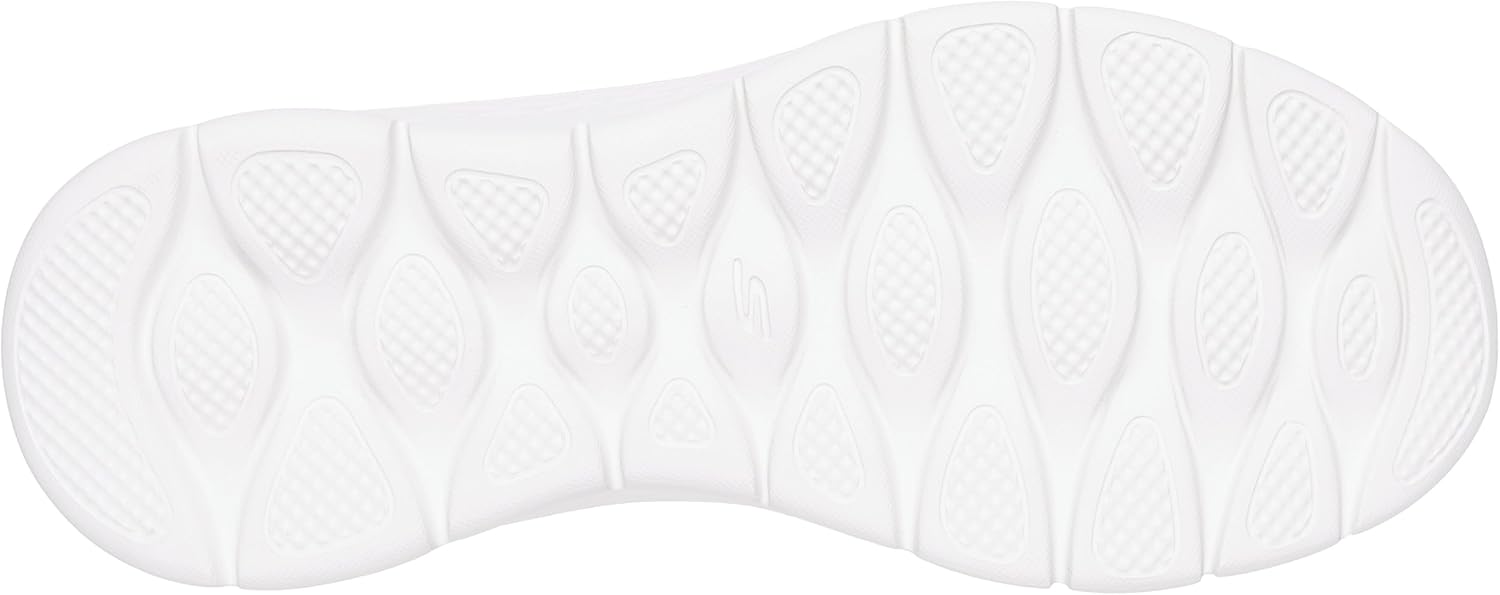
If you’ve ever watched someone with lower-back pain, a recent hip replacement, or just stiff morning joints try to wrestle on a laced shoe, you already understand the problem Skechers is solving. The Hands Free Slip-In line — which the brand began rolling out at scale around 2021 and has since expanded into dozens of silhouettes — puts a reinforced, stay-open collar on the shoe so you can step in and out without touching the heel or bending down. That’s it. No special technology inside the foot, no radical foam stack, no new outsole compound. The innovation is entirely about the entry experience. But here’s the thing: the design constraints that make hands-free entry work also happen to produce a shoe that functions pretty well for recovery and low-impact daily wear. That overlap is worth understanding before you decide whether these fit your situation — or the situation of someone you’re buying for.
What “Hands Free” Actually Means in Construction Terms
The core of the system is a structured, self-returning heel collar. On a standard shoe, the heel counter (the stiff cup that holds the back of your foot) can be pushed down when you step in — annoying at best, damaging to the shoe’s structure at worst. Skechers’ Slip-In models use a reinforced internal frame around the collar so that the opening holds its shape when you step in, then closes snugly around your heel once your foot is seated. The heel lining is typically a padded, low-friction material that grips without rubbing.
What that means for recovery: a snug, consistent heel fit with no gap is one of the things podiatrists routinely ask for in post-surgical or neuropathy footwear. Per Podiatry Today’s clinical overview of slip-on footwear design, unsecured heel counters in traditional slip-ons force the foot to grip with the toes — a habit that aggravates plantar fasciitis and destabilizes gait for people with balance concerns. The Hands Free design sidesteps that problem. The heel is held, even without laces.
The trade-off is worth naming explicitly: because the collar must stay open on its own, there’s a fixed volume at the entry point. This makes fine-tuning fit for swollen feet or extra-wide lasts harder than on a fully laced shoe. If you’re managing significant edema (swelling) or need a custom orthotic thicker than about 5mm, you’ll feel that constraint quickly.
The Recovery Overlap: Where Accessibility and Biomechanics Meet
Recovery footwear — think post-run slides, post-op walking shoes, or low-impact daily drivers for someone managing chronic heel pain — is optimized around a short list of priorities: minimal friction at entry and exit, a cushioned midsole, a supportive heel, and an outsole stable enough that you’re not white-knuckling every step. The Hands Free line, across its most popular silhouettes, checks most of those boxes.
By the Numbers
| Feature | What Skechers publishes | Why it matters for recovery |
|---|---|---|
| Heel drop (most walking styles) | 10–12mm | Familiar ramp angle; easy transition for flat-to-moderate arches |
| Midsole foam | Air-Cooled Memory Foam or Arch Fit insole (model-dependent) | Conforms to foot shape over time; reduces peak pressure points |
| Collar entry height | ~3.5 inches (varies by model) | Low enough to step in flat-footed; no deep squat required |
| Price range (Slip-In walking styles) | $70–$110 retail | Mid-range; competes with early-stage recovery sandals, not orthopedic depth-last shoes |
Verywell Health’s round-up of plantar fasciitis footwear notes that heel-to-toe drop in the 8–12mm range is a commonly recommended starting point for people transitioning from high-heeled everyday shoes to more supportive footwear — which describes the majority of Skechers Slip-In walkers accurately. The Arch Fit models specifically use an insole system developed with a claimed 120,000-person study dataset (per Skechers’ published product documentation), though independent clinical validation of that figure isn’t yet available in peer-reviewed literature.
For diabetic neuropathy management, the picture is more nuanced. Healthline’s overview of diabetic footwear criteria flags seamless interiors, consistent heel grip, and deep toe boxes as the non-negotiables. The Hands Free line scores well on the first two; the toe box depth varies significantly by silhouette. The more relaxed “relaxed fit” variants run wider and deeper. Standard-width Slip-In dress styles do not. If you or someone you’re buying for has neuropathy, insisting on the Relaxed Fit or Wide variants isn’t optional — it’s the call.
How Slip-Ins Compare Against the Alternatives at This Price Point
Here’s where the practitioner framing earns its keep. You’re not deciding between “good shoe” and “bad shoe” — you’re deciding between Skechers Hands Free at $70–$110 and other recovery-adjacent options in a similar or nearby tier. Let’s name the actual trade-offs.
Versus a traditional lace-up walking shoe ($65–$100):
A laced shoe lets you dial in fit more precisely, accommodate thicker orthotics, and manage volume changes across the day. If your primary concern is therapeutic fit precision, laces win. If your primary concern is reducing the effort or pain of getting the shoe on — post-surgery, with limited hip flexion, with arthritis in the hands — the Slip-In solves a real daily problem that laces cannot.
Versus Oofos recovery sandals ($60–$120):
Oofos OOmg and similar recovery slides use a distinct foam chemistry (OOfoam, manufacturer-rated to absorb 37% more impact than standard EVA) designed specifically for post-activity recovery. They’re also open-toe, which means no toe-box concerns but also no protection, no weather versatility, and limited use outside the house or gym. The Skechers Slip-In is a closed shoe — it goes to the grocery store, to work, to a medical appointment. Different use case, not a worse one.
Versus Finn Comfort or Drew Shoe orthopedic footwear ($250–$450):
This comparison requires honesty about what Skechers Hands Free is not. It does not offer extra-depth lasts. It does not accommodate most off-the-shelf AFOs (ankle-foot orthoses) or thick custom orthotics. The heel counter, while structured, is not built to the clinical tolerances that a Drew Shoe or Finn Comfort provides. If a podiatrist has recommended orthopedic-grade footwear, the Slip-In is not a substitute — but it might be a useful complementary pair for lower-stakes daily wear. Consumer Reports’ 2025 comfort footwear reader survey found that people managing chronic foot conditions frequently own 2–3 pairs serving distinct roles; the therapeutic workhorse and the accessible errand shoe can coexist.
Width, Fit, and the Return Policy Calculus
The single biggest friction point with any Skechers Slip-In purchase is fit verification. Because the heel collar is fixed in its geometry, there’s less room for error than in a laced shoe. Owners in aggregated review discussions consistently flag two failure modes: heel slippage in people with narrow heels (the collar is sized for a median heel, not a narrow one), and toe crowding in standard-width versions for people with wide forefeet.
The practical guidance here is direct:
- If you have a narrow heel, size down a half-size before trying a different width, and look specifically at women’s styles if you’re in the men’s market — they run narrower overall.
- If you have a wide forefoot, start with the Relaxed Fit designation and look for the explicit “Wide” (2E or 4E) variants. Skechers publishes width availability by SKU on its product pages.
- If you’re buying for someone else and can’t do a try-on: prioritize retailers with a minimum 30-day, no-questions-return policy. Skechers’ own site and most major department store channels offer this as of mid-2026. Shoe carnival and similar mid-market chains frequently do not — verify before buying.
The American Podiatric Medical Association’s patient guidance on heel pain consistently emphasizes that heel fit — not just cushioning — is the variable most patients underestimate. A beautifully cushioned shoe with half an inch of heel slippage will worsen a plantar fasciitis presentation, not help it.
The “If X, Then Y” Decision Rule
You’ve read the tradeoffs. Here’s the decision frame, stated plainly:
If your primary barrier is getting shoes on and off — due to surgery recovery, joint pain, limited mobility, or hand arthritis — the Hands Free Slip-In solves a real, daily problem that cushioning-only upgrades do not. Start with the Arch Fit Slip-In line; the footbed adds meaningful support over the base memory foam models, and the price delta is typically under $20.
If your primary need is therapeutic fit for a diagnosed condition (neuropathy, bunions, post-surgical reshaping, severe plantar fasciitis), the Slip-In is a secondary pair, not your primary one. Use it for low-stakes wear once your prescribed footwear is in rotation.
If you’re buying for an elderly parent or a post-op patient who lives alone and needs to be independently mobile, the Hands Free design is genuinely meaningful — but measure their foot width first. A standard-width Slip-In on a wide foot is worse than a laced shoe with velcro straps, which also solve the hands-free problem with more fit flexibility.
If you’re a runner or serious fitness athlete looking for a recovery sandal or post-workout shoe: the Slip-In walking styles are usable but not purpose-built for high-turnover recovery. The Oofos or Hoka Ora lines will serve you better in that specific role.
If budget is a real constraint and you’re comparing the $70–$90 Slip-In against a $25 insole upgrade for existing shoes: the insole upgrade is the higher-ROI move for cushioning alone. The Slip-In’s value is the entry mechanism plus the integrated system — if both matter, the shoe wins. If only cushioning matters, the insole wins.
The Skechers Hands Free Slip-In line earned its following for the right reasons. It’s not a medical device, and it doesn’t pretend to be. What it is — a thoughtfully engineered daily shoe that removes a genuine physical barrier for a wide population — is enough to make it worth a serious look. Know your fit variables, confirm the return window, and match the silhouette to your actual use case. That’s the whole decision.