June 23, 2026 • Kevin Brooks • 8 min reading time • Prices verified June 25, 2026
Wide-Toe-Box Sneakers for Bunion Relief: How Last Width Changes Everything
If you’ve ever slipped on what a brand calls a “wide” sneaker and felt the inside edge of the shoe still pressing against that bony bump at the base of your big toe — you already understand the problem. A bunion (the medical term is hallux valgus) is a structural change where the big toe gradually angles toward the other toes, pushing the joint outward. According to the Mayo Clinic’s overview of bunions, this shift isn’t just a cosmetic issue; it changes the load distribution across your entire foot with every step you take. The result is that standard footwear — even shoes sold as “wide” — can keep irritating the joint because the extra width is added in the wrong place. This guide is for the buyer who already knows the basics and is now trying to figure out which specific construction choices separate shoes that genuinely help from ones that just have a wider number on the box.
By the time you finish reading, you’ll understand what a last (the foot-shaped mold a shoe is built around) actually does to bunion comfort, where width is added and why that matters, and how to compare options across the $80–$350 range without second-guessing yourself at checkout.
Why “Wide Width” Is Almost a Red Herring
Here’s the thing most product pages don’t explain clearly: shoe width designations — 2E, 4E, D, EE — measure the circumference around the ball of the foot at a standardized point. That’s useful information, but it tells you almost nothing about toe-box shape, which is the variable that matters most for bunion comfort.
A shoe can be rated 2E wide and still taper to a rounded or almond-shaped toe box that funnels your forefoot inward, compressing the joint from the sides. Conversely, some shoes marketed as standard width are built on a anatomical last — a mold shaped to follow the natural spread of human toes — and those can feel dramatically roomier at the first metatarsophalangeal joint (the spot where your bunion lives) than a wider shoe on a tapered last.
Verywell Health’s editorial review of bunion shoes makes exactly this distinction: the shape of the toe box in three dimensions — width, height, and how quickly it tapers — is the primary variable for bunion comfort, not the letter printed on the size tag.
What to Look for on a Last
When you’re researching a shoe, you’re trying to answer one question: does this last give the big-toe joint lateral clearance without squeezing it from any direction?
Four signals to check before you buy:
-
Straight-last vs. curved-last. A straight last runs in a nearly vertical line from heel to toe, which keeps the forefoot from being curved inward (called adduction). Curved lasts follow a C-shape; they look sleeker but functionally push the toes toward midline — the opposite of what a bunion needs.
-
Toe-box height. Many owners with bunions report that vertical pressure from a low toe box can be just as aggravating as lateral pressure. Depth matters, especially if the bunion has any swelling.
-
Medial wall flexibility. The medial side is the inside edge — where your bunion protrudes. A shoe with a rigid medial wall in the forefoot will always create a pressure point regardless of overall width. Look for soft, stretchy upper materials (knit uppers and full-grain leather with natural give are frequently cited by reviewers in this context) over hard synthetic overlays.
-
Forefoot width measurement at the widest point. Some brands publish internal measurements in millimeters; if you can find it, look for 100mm or more across the forefoot interior for a typical women’s size 8–9 with moderate-to-severe bunion involvement. Runner’s World’s wide-toe-box guide notes that most “standard” running shoes measure 88–92mm at the forefoot — a meaningful difference from the 100–106mm found in anatomically shaped lasts.
The Three Tiers Worth Knowing (and the Math)
The bunion-relief sneaker market effectively sorts into three meaningful price brackets in 2026. Understanding what you’re actually paying for at each level helps justify — or rule out — the jump.
By the Numbers
| Price tier | What the extra money buys | Typical last type |
|---|---|---|
| $80–$130 | Extra-wide sizing, basic foam, minimal structure | Modified standard last |
| $140–$220 | Anatomical last, removable footbed for orthotics, stretch upper | Purpose-built wide/extra-wide last |
| $250–$350+ | Extra-depth construction, clinical-grade last widths, podiatrist-designed lasts | Therapeutic/orthopedic last |
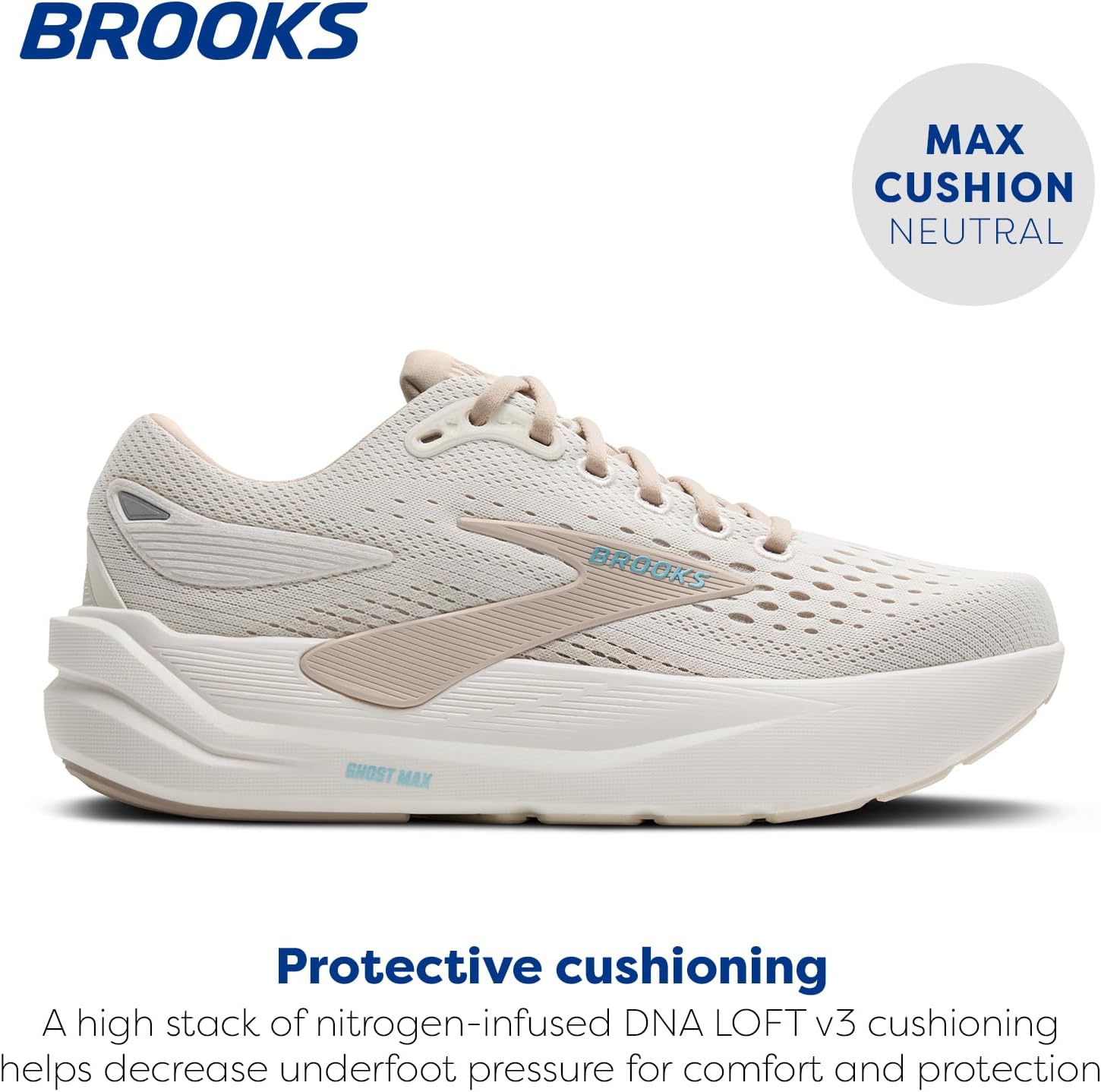
Entry tier ($80–$130): Brands like New Balance’s 928 series and Brooks Addiction Walker in 2E/4E widths are the workhorses here. They offer genuine width at the ball of the foot and are widely recommended by Verywell Health’s podiatrist-sourced guides as solid starting points. The tradeoff is that the lasts are modified versions of standard athletic lasts — they’re wider, but not necessarily shaped around bunion-specific clearance. For mild bunions or someone who’s early in symptoms, this tier is often sufficient.
Mid tier ($140–$220): This is where last design starts doing real work. HOKA’s Bondi and Clifton lines — frequently cited in Runner’s World’s wide-toe-box coverage — are built on lasts that prioritize a wide, rounded forefoot platform. The higher stack height (the thickness of foam underfoot, which HOKA specs at 37–39mm on the Bondi) also means your foot sits in a more neutral position, reducing the load placed on the bunion joint during push-off. Owners consistently report that the combination of rocker geometry and forefoot width reduces the grinding sensation at the big-toe joint during long walks. The Altra Paradigm and Torin lines operate on a similar principle — zero heel drop (meaning the heel and forefoot are at the same height, promoting a more natural foot position) and a foot-shaped last. Altra publishes their FootShape last specification explicitly, and it’s the reason podiatry forums consistently name Altra when discussing bunion-friendly construction.
Clinical tier ($250–$350+): Brands like Finn Comfort, Drew Shoe, and Orthofeet operate with extra-depth lasts — a construction standard developed for diabetic and orthopedic footwear that adds 3/16 to 3/8 of an inch of internal depth to accommodate prescribed orthotics without squeezing the foot vertically. The American Academy of Orthopaedic Surgeons’ bunion guide explicitly recommends extra-depth footwear for patients with progressive deformity. If you’re managing a bunion alongside other conditions — diabetic neuropathy, post-surgical sensitivity, or a rigid hammertoe developing alongside the bunion — the extra-depth tier isn’t luxury spend; it’s a different product category. Podiatry Today’s clinical review of bunion footwear notes that last depth is frequently the variable clinicians prioritize over width alone.
The Tradeoff Matrix: How to Decide Which Tier You Actually Need
You’ve got a decision pending. Here’s how to frame it without overthinking it.
If your bunion is mild-to-moderate (the bump is visible, first-step discomfort is present, but you don’t have bursitis, skin breakdown, or referred pain into the second toe) and you’re primarily active on level surfaces — walking, light hiking, gym use — the mid tier is almost certainly the right call. The $140–$220 range delivers a genuine anatomical last without the overhead of clinical construction you may not need yet. The math: a pair of HOKAs or Altras in this range, worn 4–5 times per week, typically lasts 400–500 miles before the midsole compresses enough to lose its supportive geometry. That’s roughly $0.35–$0.55 per mile of purposeful bunion-protective design.
If your bunion is moderate-to-severe, you’re post-surgical, or you’re managing a comorbid condition (neuropathy, arthritis, rigid forefoot), the jump to the clinical tier is defensible on cost-per-outcome terms even at $300+. A shoe that accommodates a custom orthotic without compressing the bunion from above is doing the work of two products simultaneously.
If you’re buying for someone else — an elderly parent, a post-op patient, or an athlete recovering from a bunionectomy — prioritize these three things in order: (1) extra-depth last to guarantee orthotic compatibility, (2) stretch or soft-leather upper on the medial wall, (3) a brand with a clear return/exchange policy on fit issues. Healthline’s overview of bunion pain relief specifically notes that fit-related return friction is one of the most common barriers to therapeutic footwear compliance. Check whether the brand offers a 30-day wear trial or a podiatrist-fit guarantee — Orthofeet and Drew Shoe both have documented comfort-guarantee programs that reduce this risk significantly for remote purchases.
Width Compatibility: The Last Check Before You Buy
Even after you’ve identified a shoe with the right last design, the width designation still matters for sizing. Here’s the practical framework:
- Bunion with narrow heel: This combination — common in women — makes standard wide sizing problematic because the extra width creates heel slippage. Look for brands that offer multi-width options with a consistent heel counter, or shoes with adjustable closures (laces, dual velcro, BOA systems) that let you dial in the heel independently of the forefoot.
- Bunion with normal-to-wide heel: Standard 2E or 4E sizing works more predictably here. Size up by a half size to allow for swelling if you’re planning to wear these for longer activities.
- Bunion with hammer toe developing on the second toe: Toe-box height becomes as important as width. Extra-depth construction is the right tier regardless of severity stage.
The Decision Rule
If the buyer is you: Start at the mid tier ($140–$220) on an anatomical or foot-shaped last if your bunion is mild-to-moderate; move directly to extra-depth clinical construction ($250–$350) if you have co-morbidities, post-surgical sensitivity, or a custom orthotic in the picture. Don’t spend the entry tier’s money on a modified standard last hoping it’ll feel different — it probably won’t, and you’ll end up spending mid-tier money anyway after returning the first pair.
If the buyer is you shopping for someone else: prioritize return policy and last depth over brand recognition. A lesser-known brand with a 60-day comfort guarantee and a certified extra-depth last is a better gift than a recognizable name on a last that was never designed for bunion clearance. The shoe that gets worn is the shoe that helps.